A roof replacement preparation checklist can help make the days before a project calmer and more predictable. Before work starts, confirm the project plan with your contractor, clear safe access to the home, protect items that could be affected by vibration or debris, and let everyone in the household know what to expect. North Florida weather can change quickly, so keep communication open and avoid assuming a start date cannot shift.
What should you confirm with your roofer first?
Preparation starts with the written scope and a clear conversation. Before setting out to move belongings, make sure you understand what work is planned and which parts of the property may be used. A replacement can involve deliveries, equipment, crew access, and debris collection. Your specific project plan should explain the arrangements for your home.
- Confirm the work area. Ask which sides of the house need access and whether the driveway, a gate, or another area should remain clear.
- Review the project scope. Make sure you know what roof system and work are included, what is excluded, and whom to contact with a question. If you are still comparing roof types, review the company’s pages on shingle roofs and metal roofs.
- Ask about the expected sequence. Find out how the crew expects to begin, where materials may be staged, and how you will hear about schedule updates. Do not assume every project follows the same timeline.
- Clarify access and communication. Confirm whether someone needs to be home, how the crew will enter any agreed work area, and the best way to reach your project contact during the work.
- Keep your documents together. Save the proposal, scope, product selections, contact details, and any written updates where you can find them. If a detail is unclear, ask before work starts rather than relying on a guess.
A written plan is useful even when you already feel comfortable with the project. It gives you a shared reference for product choices, access, timing, and next steps. For a broader overview of replacement decisions, see this homeowner’s guide to roof replacement. North Wood’s Roofing offers free inspections and estimates with clear photos and no-pressure options, so homeowners can ask questions before deciding how to proceed.
How should you prepare the outside of your home?
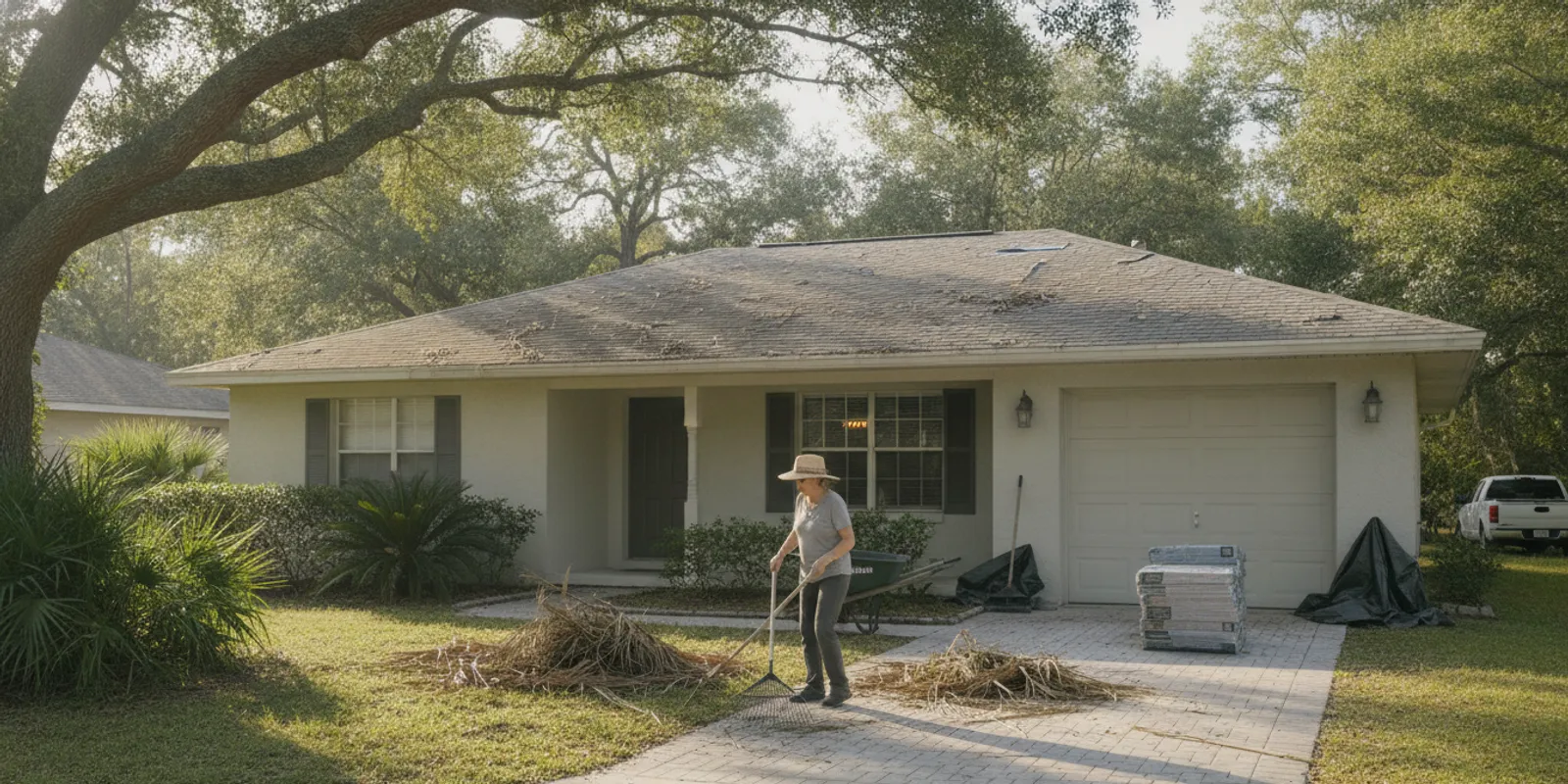
Roof work takes place above and around the house. Items in the yard, near exterior walls, or in the driveway may be exposed to falling debris or may get in the way of equipment and cleanup. Your contractor can tell you where the crew expects to work; use that information to decide what to move and where.
- Move vehicles out of the work area. Ask where the crew and delivery vehicles need room, then relocate cars, bikes, and trailers before the agreed arrival time. If you need a vehicle during the day, plan where it can remain accessible without blocking work.
- Clear patios and the area near the house. Move chairs, grills, planters, toys, and other portable items away from the roof edges and the contractor’s designated work zone. Do not place belongings under a spot where materials may be handled.
- Protect or relocate delicate landscaping items. Move pots, decorations, and movable yard features. For fixed plants or features you are concerned about, point them out and ask the contractor what precautions are appropriate; do not assume every item can be protected in the same way.
- Secure gates and plan for pets. Tell the crew about access instructions and keep pets away from active work areas. Arrange a secure indoor space or another suitable plan for animals that may be startled by noise or movement.
- Keep walkways clear. Make it easy to get from the street or driveway to the agreed access point. Remove hoses, cords, and other trip hazards from routes people may use.
Do not move heavy or fixed objects into a new area without checking that it will not interfere with the planned work. A short conversation about staging and access can prevent last-minute confusion. The specific setup varies by property, roof shape, and project, so follow the arrangements confirmed with your contractor rather than copying a neighbor’s setup.
What should you move or protect inside?
Roof replacement work can create noise and vibration. The amount a homeowner notices indoors depends on the home and the work taking place. A little preparation can protect fragile belongings and make the day easier, especially if people will be working or studying at home.
- Take down fragile wall items. Consider removing framed pictures, mirrors, shelves, or delicate decorations from rooms directly below the roof or near the ceiling. Store them somewhere secure until the work is complete.
- Clear storage areas beneath the roof if asked. If your contractor requests access to an attic or another interior space, confirm what area is needed and whether you should move stored items. Cover or relocate belongings only as advised for the specific project.
- Protect items that could shift. Secure objects on shelves and move breakables away from edges. If you have a particularly fragile item or a concern about a room, mention it before the crew begins.
- Plan around noise. If anyone in the household works remotely, studies, naps, or needs a quiet environment, consider arranging a different location for the noisiest part of the day. Ask the contractor what timing information is available, while recognizing that weather and job conditions can affect plans.
These are sensible precautions, not a prediction that something inside your home will be damaged. You do not need to empty every room automatically. Ask what is relevant to your home and the planned work, and document any special instructions you agree on.
How can you plan for household routines and safety?
Think through the practical details for everyone who will be home. Work above the house can bring unfamiliar sounds and activity, and the safest choice is to keep household members and visitors out of active work areas.
- Set expectations with household members. Explain when work is expected, which entrances or areas may be affected, and where people should stay clear. Give children a simple, age-appropriate reminder that the work zone is not a place to play.
- Make a pet plan. Keep pets indoors or arrange another secure option away from the work area. Let the contractor know about pets, gates, and any access details that matter.
- Consider deliveries and appointments. Reschedule nonessential visitors or deliveries that would compete for driveway or entry access. If a medical, caregiving, or other essential appointment must happen at home, tell your project contact early so access can be discussed.
- Keep emergency routes usable. Do not block doors, paths, or access your household may need. Follow any site-specific directions from the crew about where people can safely walk.
- Plan for a change in schedule. Heat, rain, storms, or other job conditions may affect outdoor work. Keep your phone available for updates and avoid making plans that depend on an unconfirmed completion time.
Never climb onto the roof or enter an active work zone to check progress. If you have a question, contact the project lead and wait for a safe response. A clear point of contact helps you get an answer without interrupting work or putting anyone at risk. If another home project is scheduled around the same time, tell both parties and ask whether their work areas or access needs could conflict. This is especially useful when a driveway, side yard, or exterior entrance will be shared. Avoid scheduling deliveries or outside work that depends on an exact roofing completion time unless the roofing contractor has confirmed the timing. If you have concerns about an existing feature near the roof, such as a delicate fixture or a recently completed exterior improvement, point it out before work begins and ask how it should be handled. Keep any agreed instructions in writing so everyone has the same understanding. If a new condition or a question about the planned work comes up during the project, direct it to your project contact rather than asking crew members to make an unconfirmed change. Clear communication helps keep the work coordinated and gives you a record of what was discussed.
What questions should you settle before the start date?
Use the days before the project to resolve details that could otherwise become stressful once the crew arrives. This does not mean predicting every job condition. It means agreeing on the basics and understanding how changes will be communicated.
| Topic | What to confirm | What you can do |
|---|---|---|
| Schedule | Planned arrival window, expected start, and how weather-related changes will be shared | Keep your contact details current and watch for updates |
| Access | Driveway, gate, and property areas the crew may need | Move vehicles and clear agreed routes |
| Materials | Selected roofing material and any documented product choices | Keep the written selection with your project papers |
| Work scope | Included work, exclusions, and who answers questions about changes | Ask for unclear items to be explained before the start |
| Household logistics | Whether anyone needs to be home and any access or safety instructions | Plan for children, pets, remote work, and appointments |
| Closeout | How you will receive project updates and discuss completion or follow-up questions | Save the contact information and relevant documents |
Use the table as a conversation guide, not a substitute for your agreement. If you are considering financing, review the available information and ask which terms apply to your project; do not assume that a particular option fits your circumstances. North Wood’s Roofing has a financing information page for homeowners who want to explore that topic. You can also review the company’s warranty information and ask how the documents for your selected roof apply to the work being proposed.
What should you do if the weather changes?
North Florida’s heat, humidity, and storms make weather an important scheduling consideration. A planned date is not a guarantee that outdoor work can safely proceed on that day. If conditions change, ask your contractor how you will receive an update and what the revised plan is. Keep household preparations flexible until the crew confirms timing. For official local forecasts, check the National Weather Service as well as updates from your contractor.
Before the start, secure loose outdoor belongings and check that your contact information is current. If rain or a storm is forecast, avoid assuming the project is canceled or proceeding until you hear from the contractor. Do not cover or alter the roof yourself. If you notice a leak or a new concern while waiting, report it promptly and ask what to do; for repair needs, review the company’s roof repair service information.
What is a simple roof replacement preparation checklist?
As the start date approaches, use this short list to check that the main arrangements are covered:
- Read the written scope and confirm material selections, access arrangements, and your point of contact.
- Ask how the schedule may change and how updates will be shared.
- Move vehicles, portable outdoor belongings, and items from the agreed work area.
- Secure pets, plan for children and visitors, and keep access routes clear.
- Move or secure fragile indoor items where noise or vibration may be a concern.
- Save the proposal, product details, contact information, and written updates together.
- Wait for the contractor’s instructions if a question, weather change, or unexpected condition comes up.
You do not need to manage the roofing work yourself. Your job is to understand the plan, prepare your household, communicate concerns, and stay clear of the work area. Ask the contractor about anything specific to your property rather than relying on a generic list.
Contact North Wood’s Roofing with questions about your project
Frequently Asked Questions
Do I need to leave my home during roof replacement?
Not necessarily. Whether staying home is practical depends on your household needs and the planned work. Expect noise, keep away from active work areas, and ask your contractor whether anyone needs to be home for access or communication.
Should I empty my attic before work begins?
Do not assume the entire attic must be emptied. Ask whether access is needed and whether any particular stored items should be moved or covered for your project. Follow the specific instructions you receive.
What should I do with my car and outdoor furniture?
Move vehicles from the areas needed for access, materials, and equipment. Relocate portable furniture and other belongings away from the agreed work zone. Confirm the locations with your contractor before the crew arrives.
What if the roof replacement date changes because of weather?
Keep your preparations flexible and follow the contractor’s updates. Ask how schedule changes will be communicated, and wait for confirmation before making assumptions about whether work will proceed.
Get a clear plan before work begins
A well-prepared homeowner knows what work is planned, where access is needed, what belongings to move, and whom to contact with questions. For a project-specific evaluation or estimate, North Wood’s Roofing serves homeowners in Gainesville, Live Oak, Lake City, and surrounding North Florida communities with a straightforward, no-pressure approach.